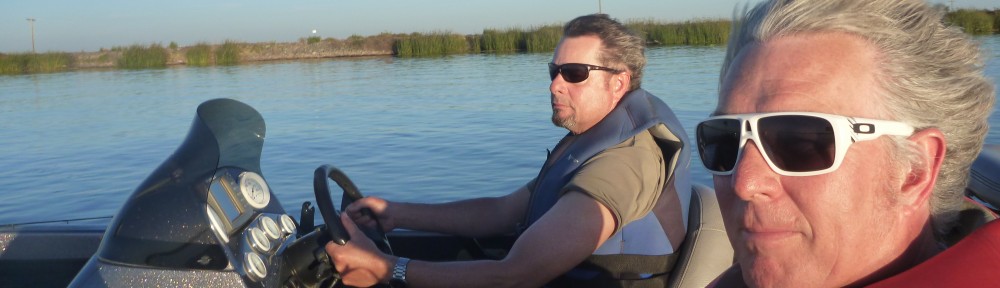
So Debra gives me a pass to go fishing Saturday but she did so at 9:00 PM on Friday night so no time to call for crew. Rained again on the way up.
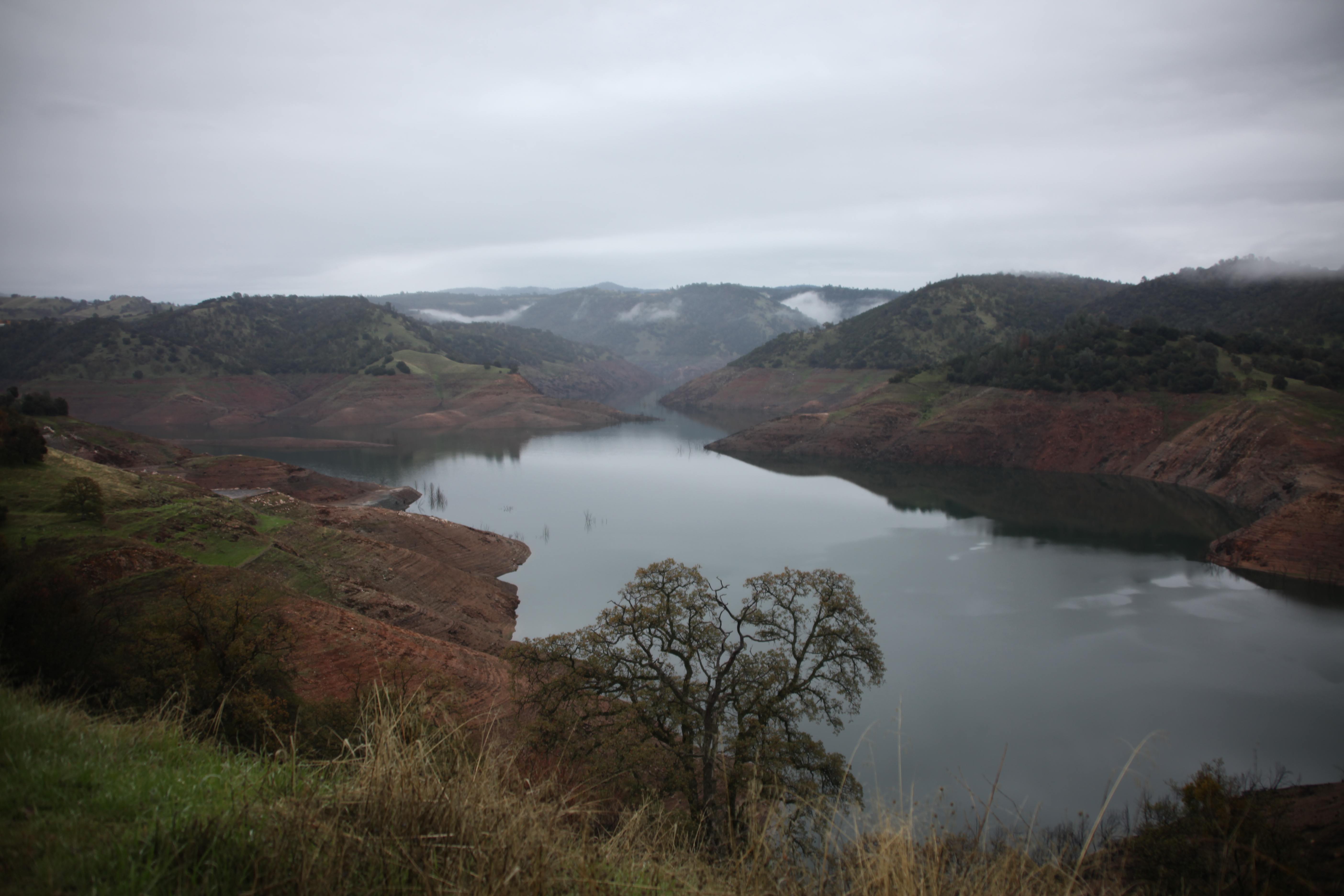
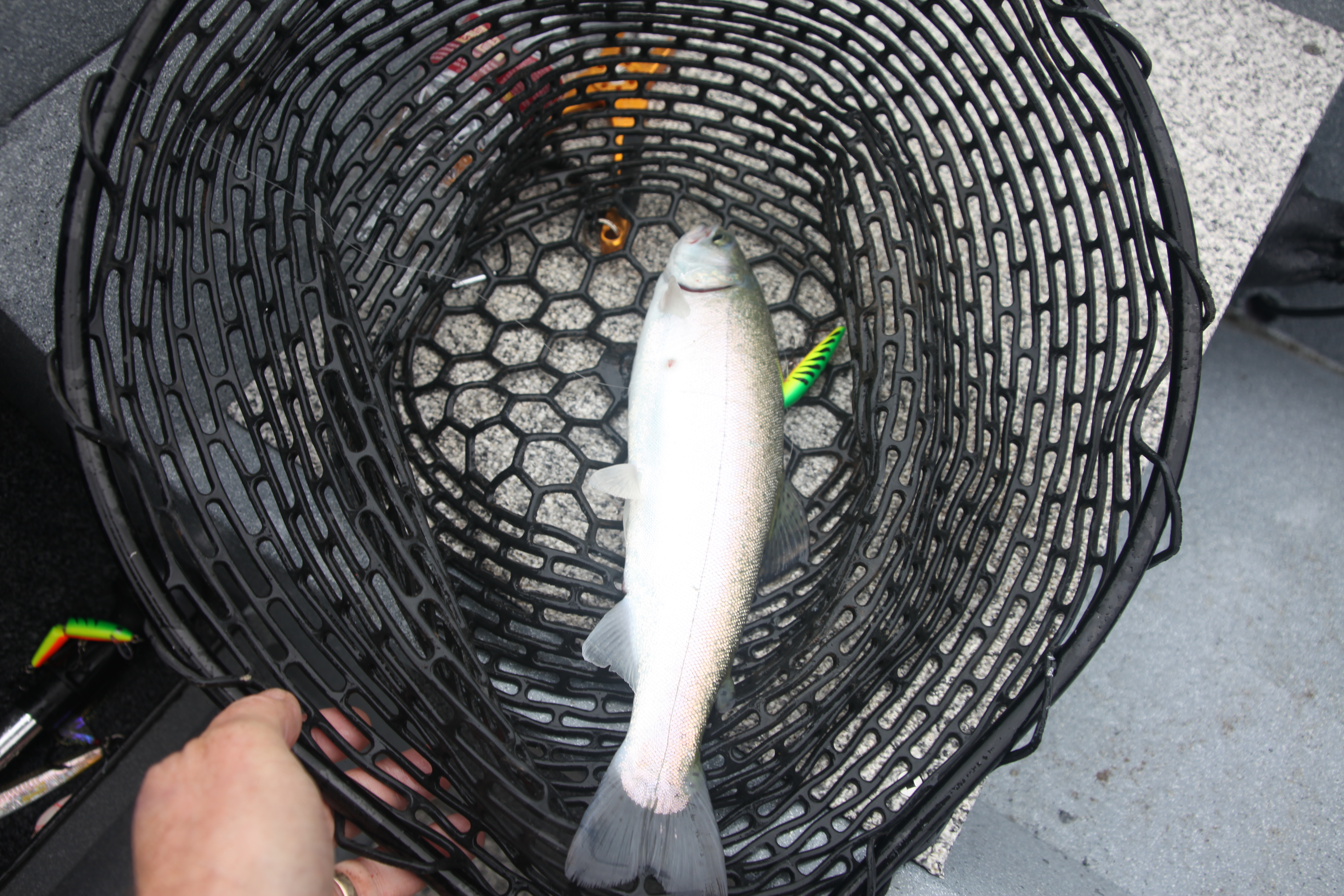
I was able to launch from the concrete ramp finally. I motored directly back to the Coyote arm. When I was there a couple of days ago the inlet was clogged with bass boats so I got there early enough to have my pick of spots. I hit spot lock on the Terranova and began casting a Fluorescent green Tomas Bouyant and first cast get nailed on the flutter.
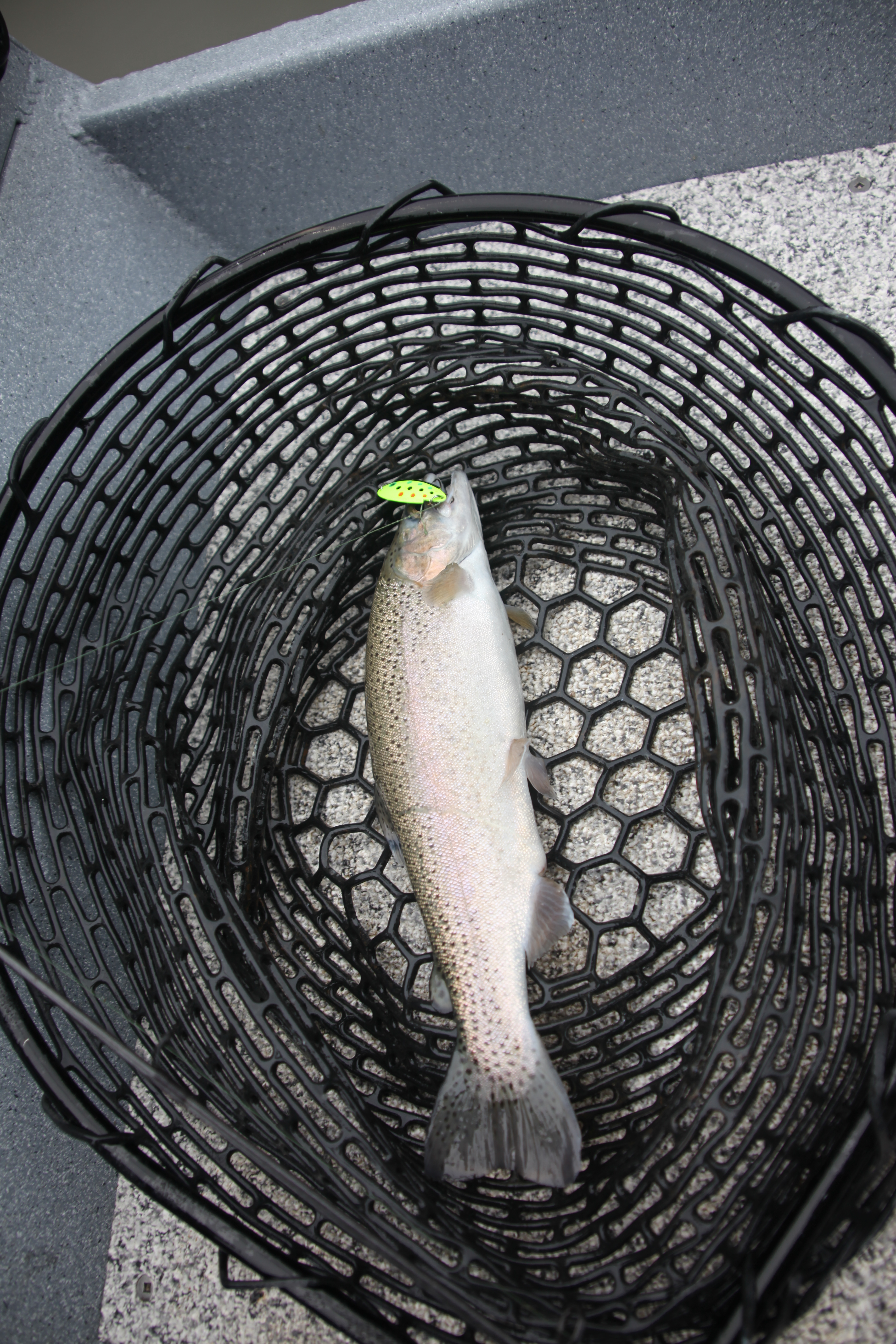 Very nice holdover fish. I worked that spot for an hour enjoying non-stop action on trout and bass. Lots of bait being chased around. I took a break and walked up the creek to see if there were any spawners.
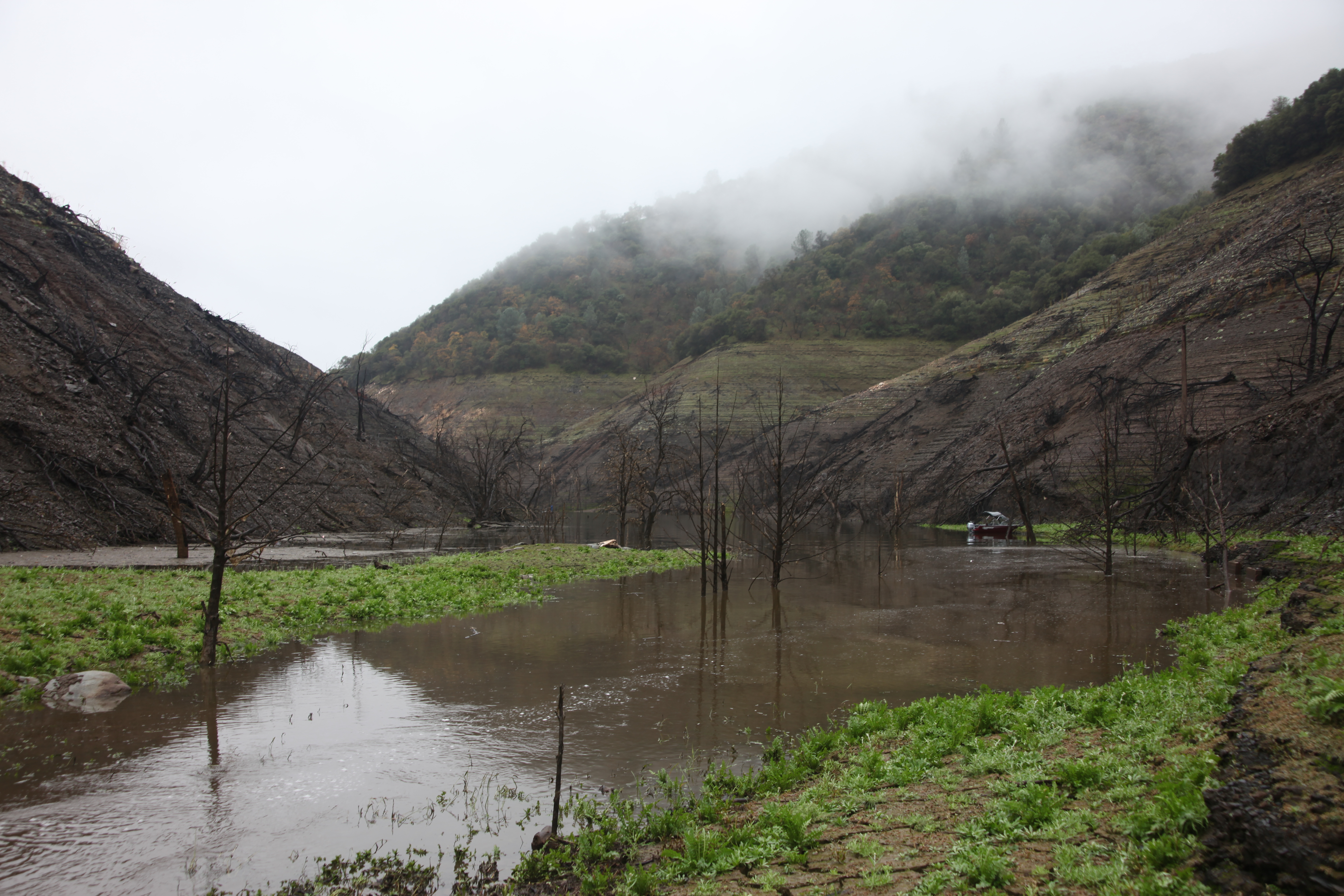
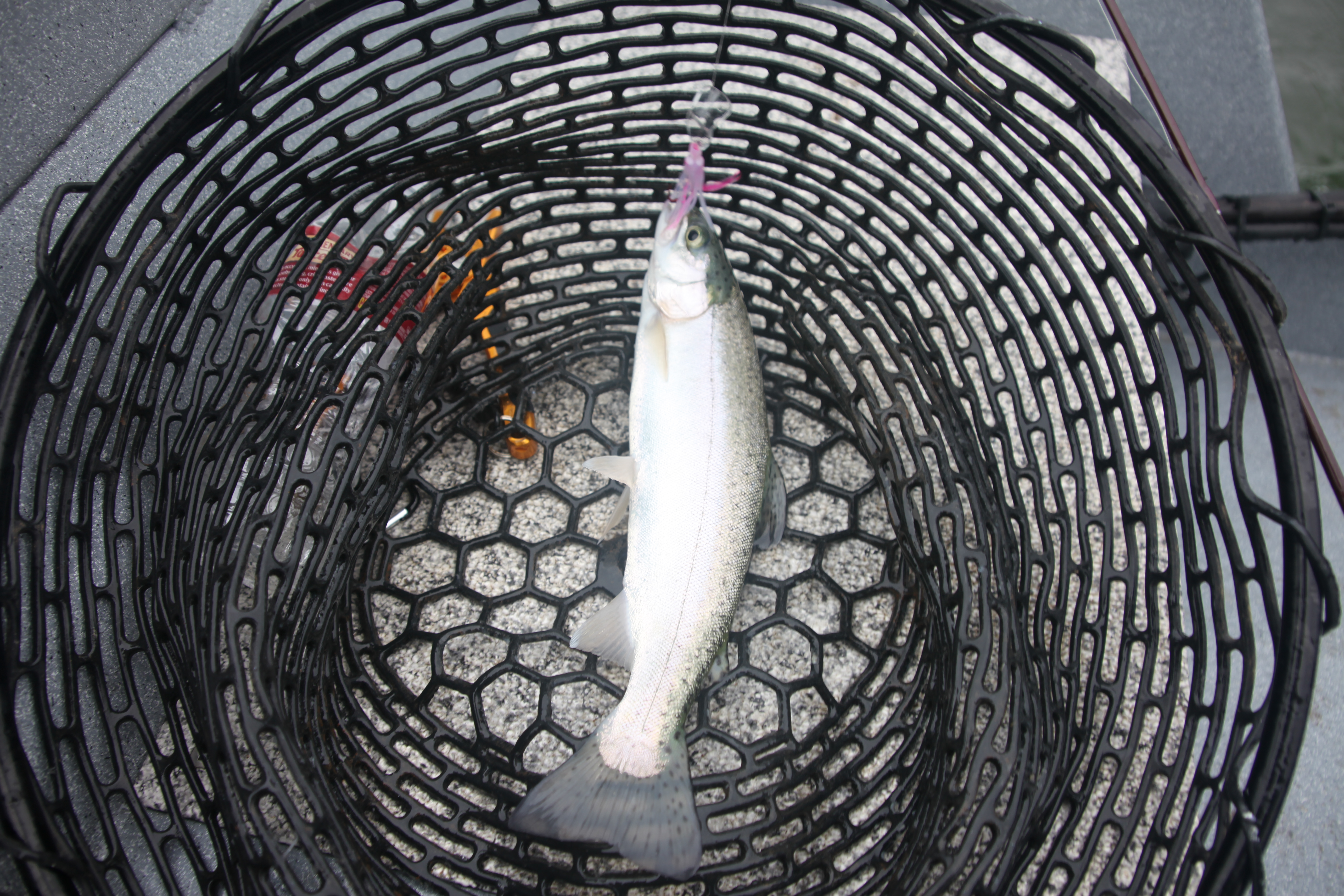
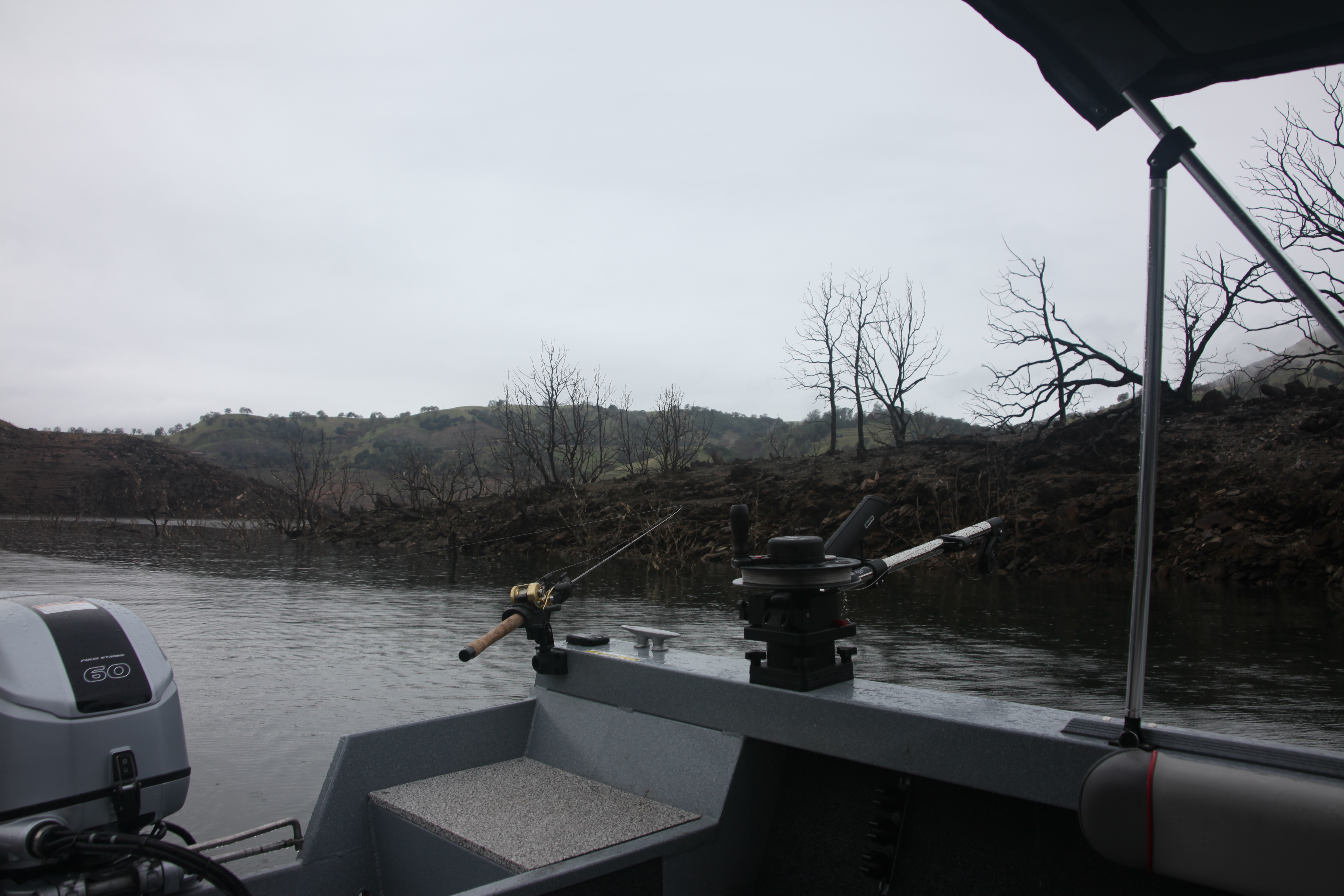
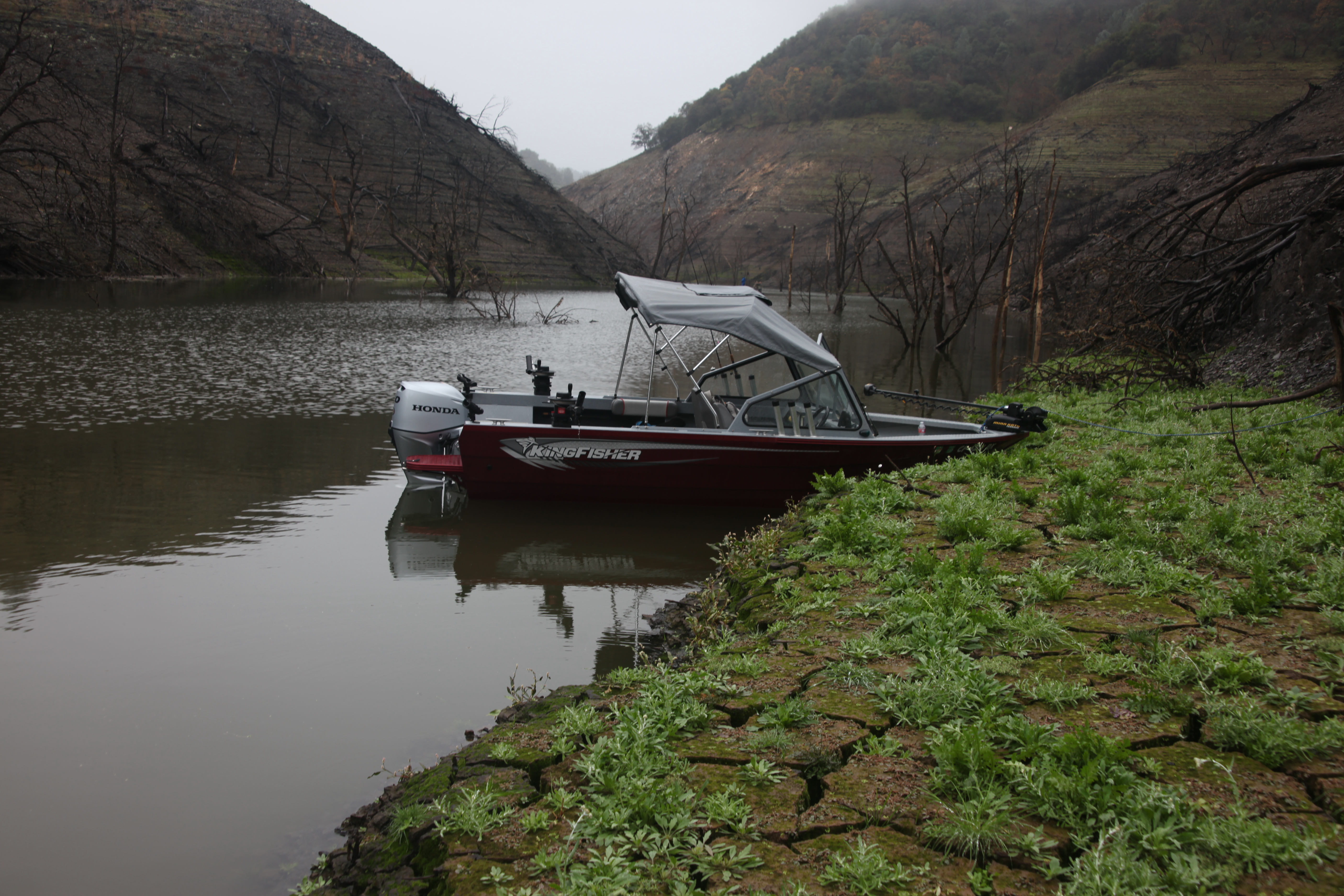 I trolled out of Coyote towards the 49er bridge with Firetiger jointed Rapalas on both rods toplined and could not go a 100 yards without getting hit.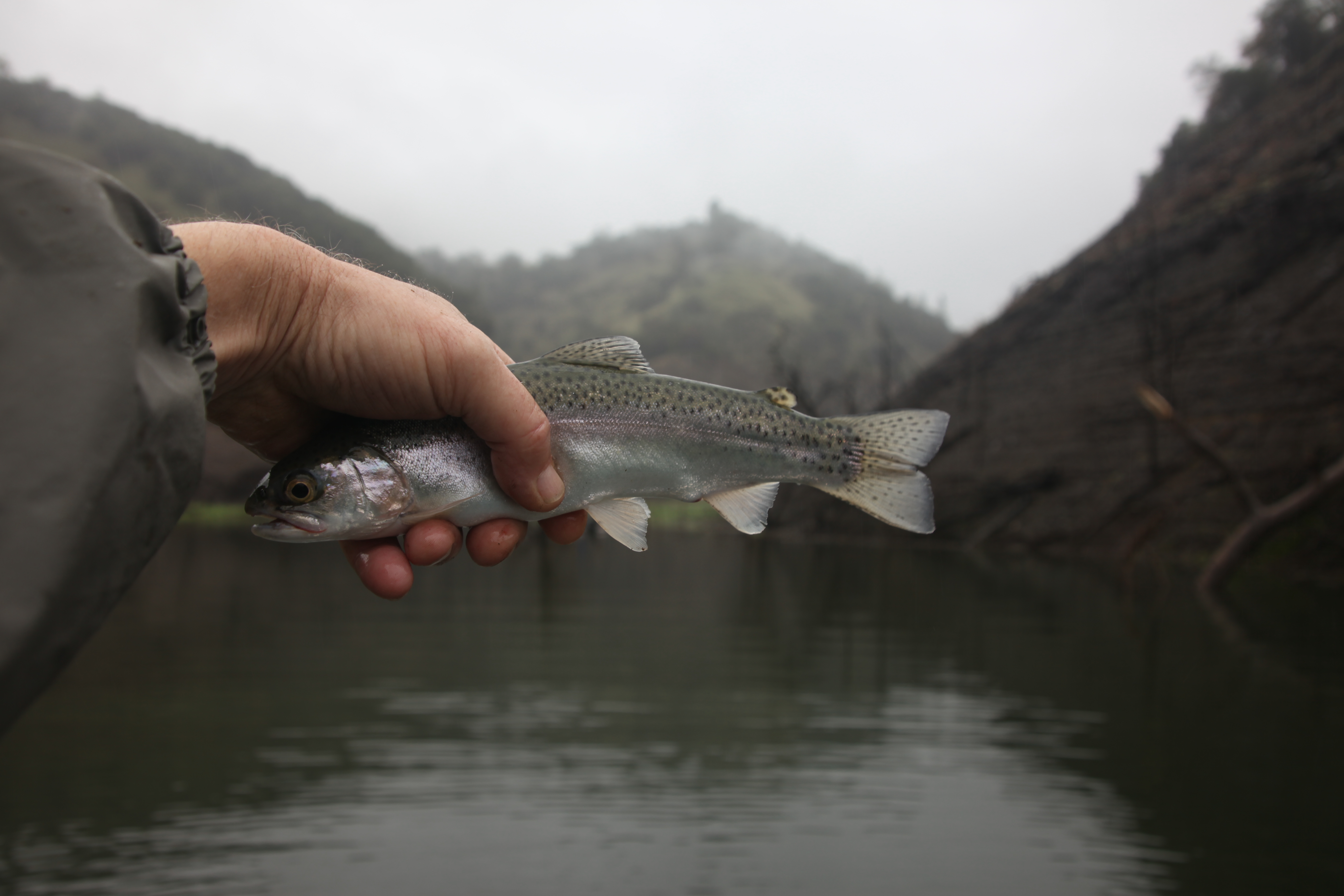
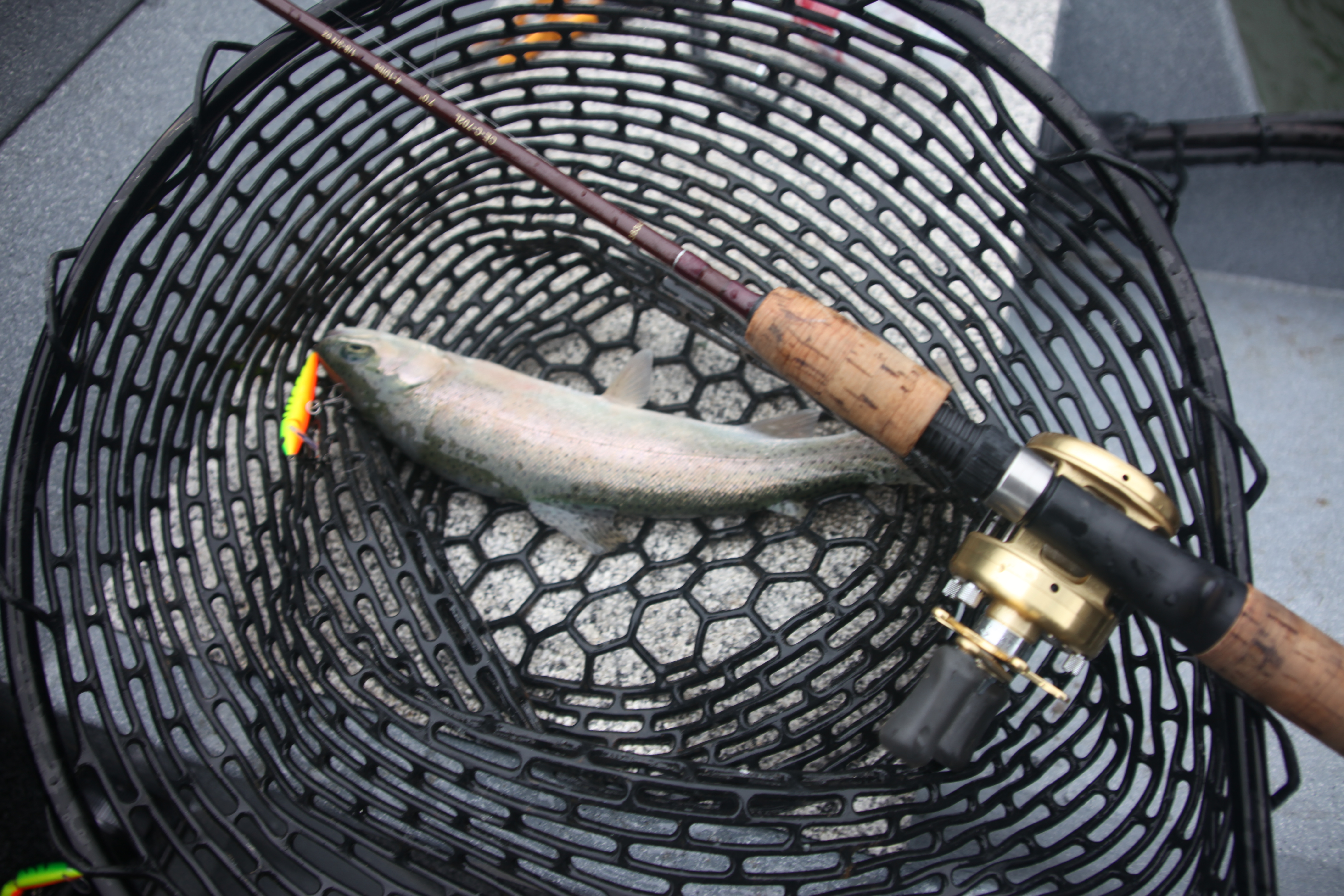 This was too easy I thought so I picked up the TM and slipped off to the Stanislaus arm. A bit quieter there but I still got bit.
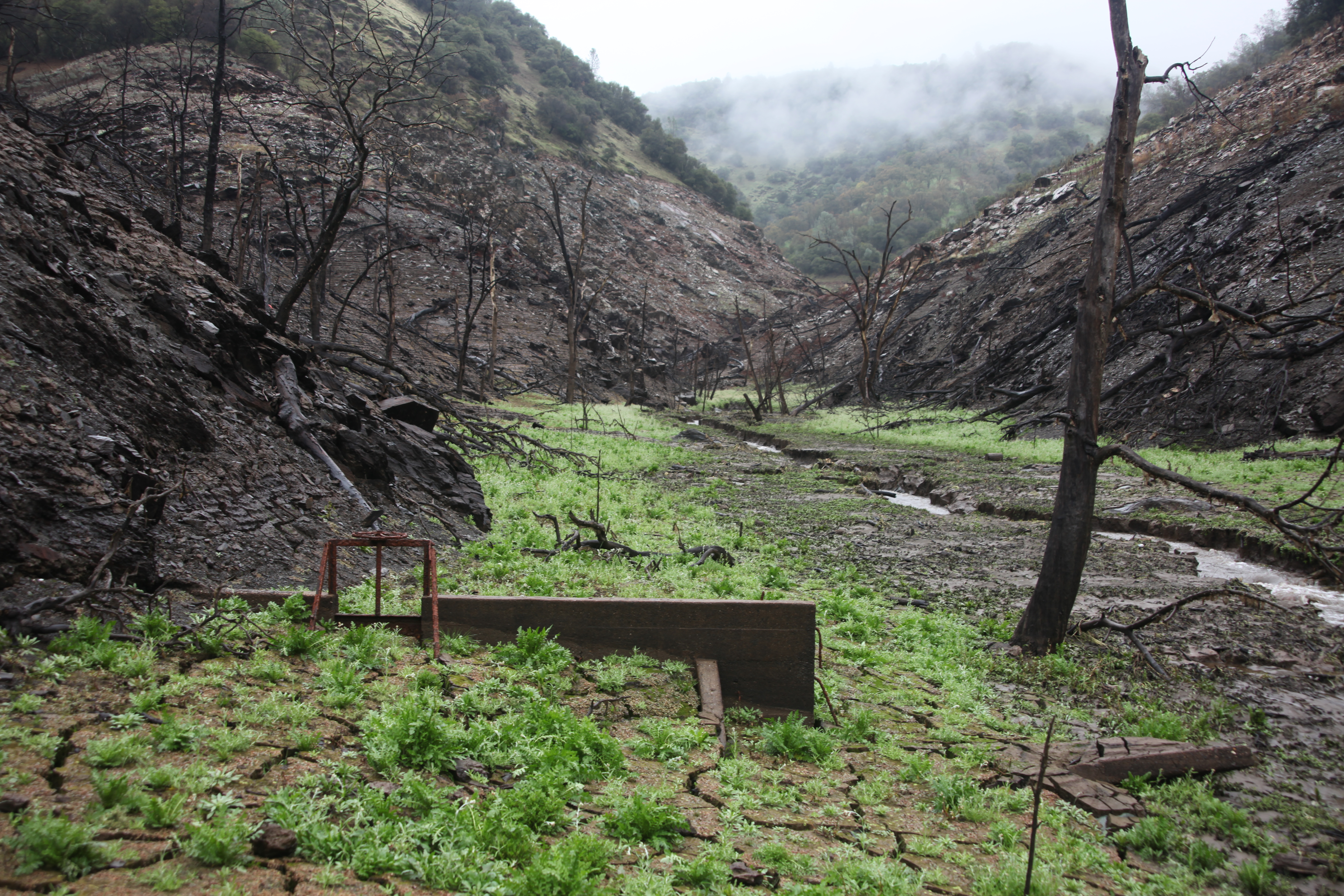
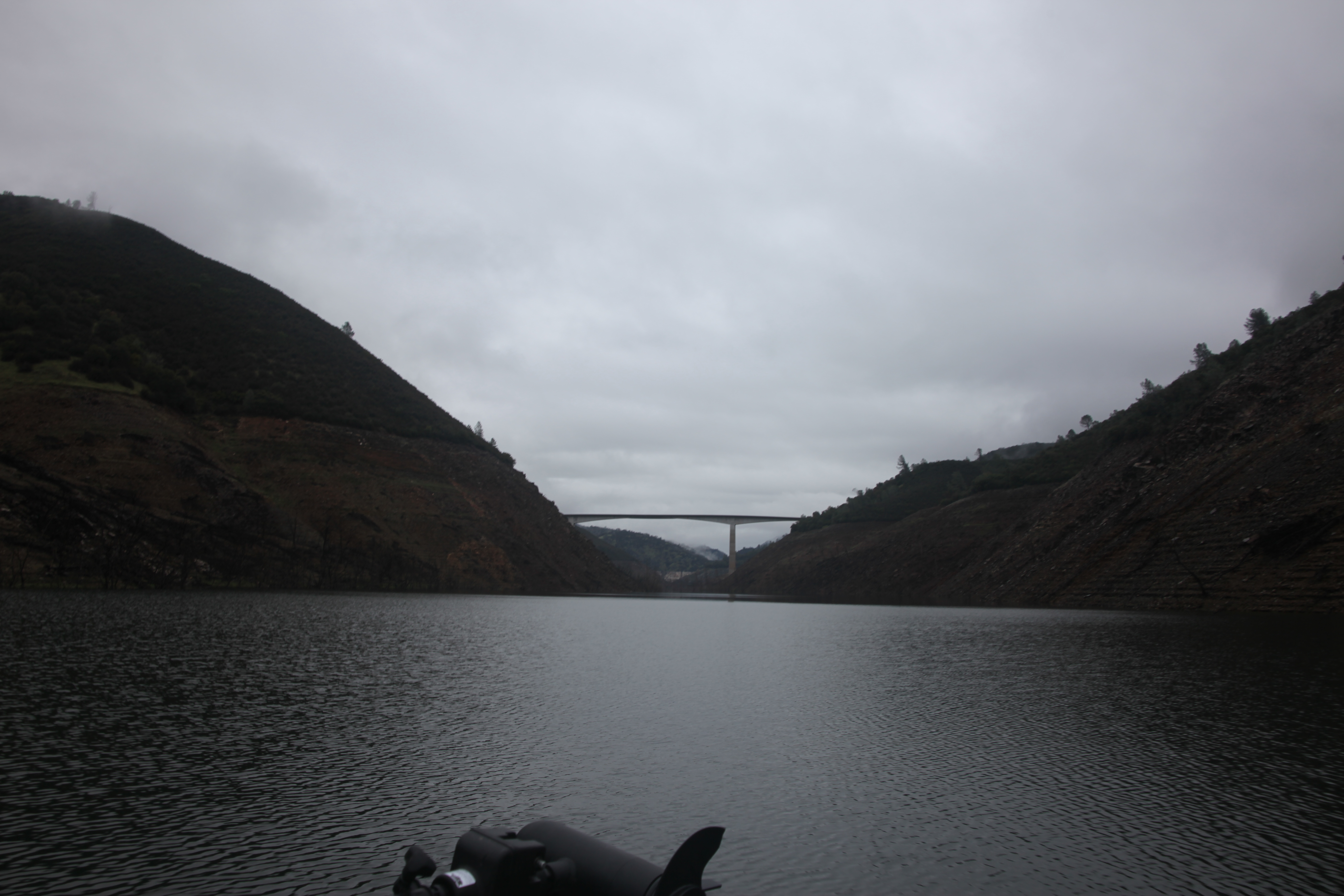
 Parrots Ferry Bridge had risen
 I shared a productive cove with a pair of bald eagles and got to watch them catch several fish.
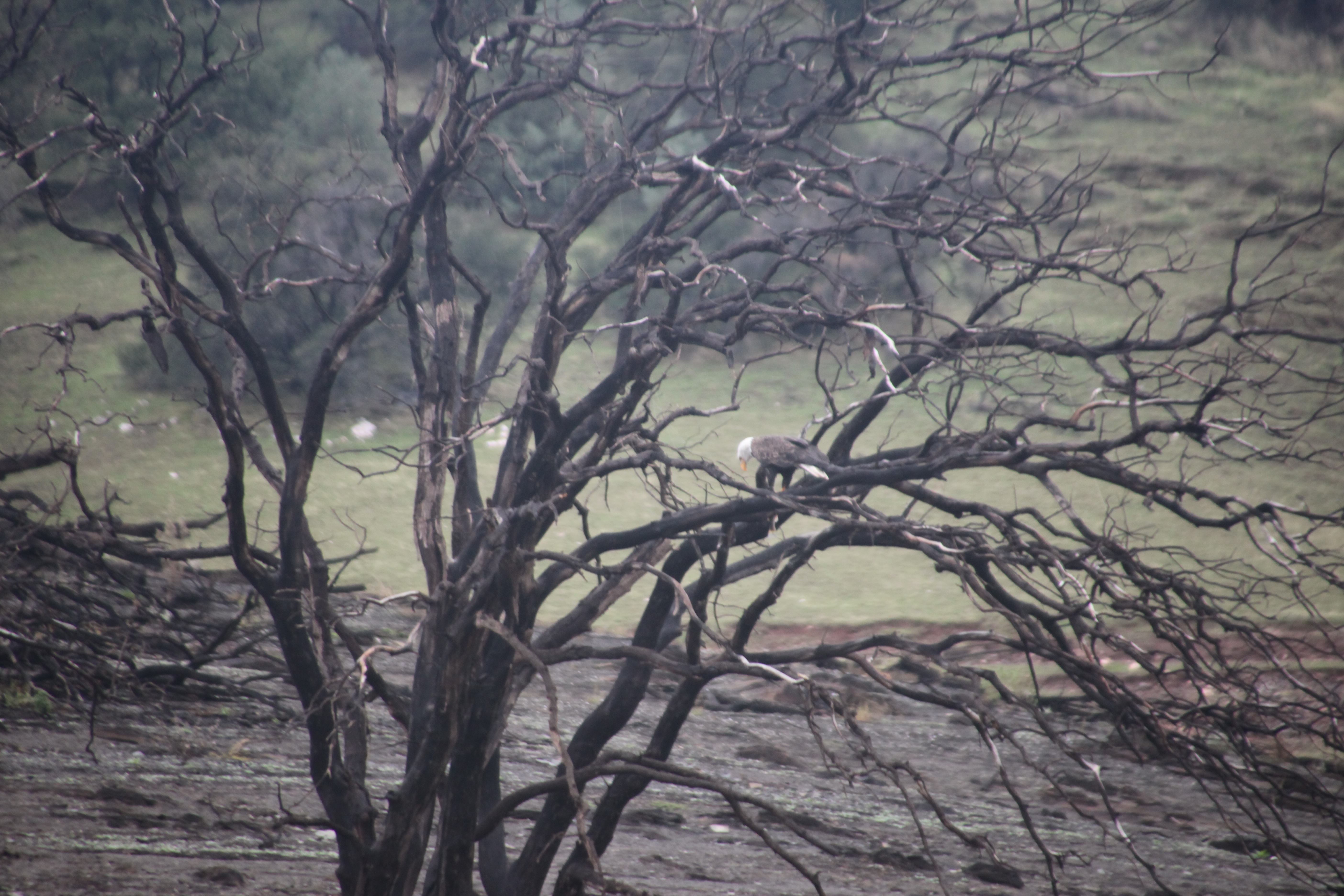
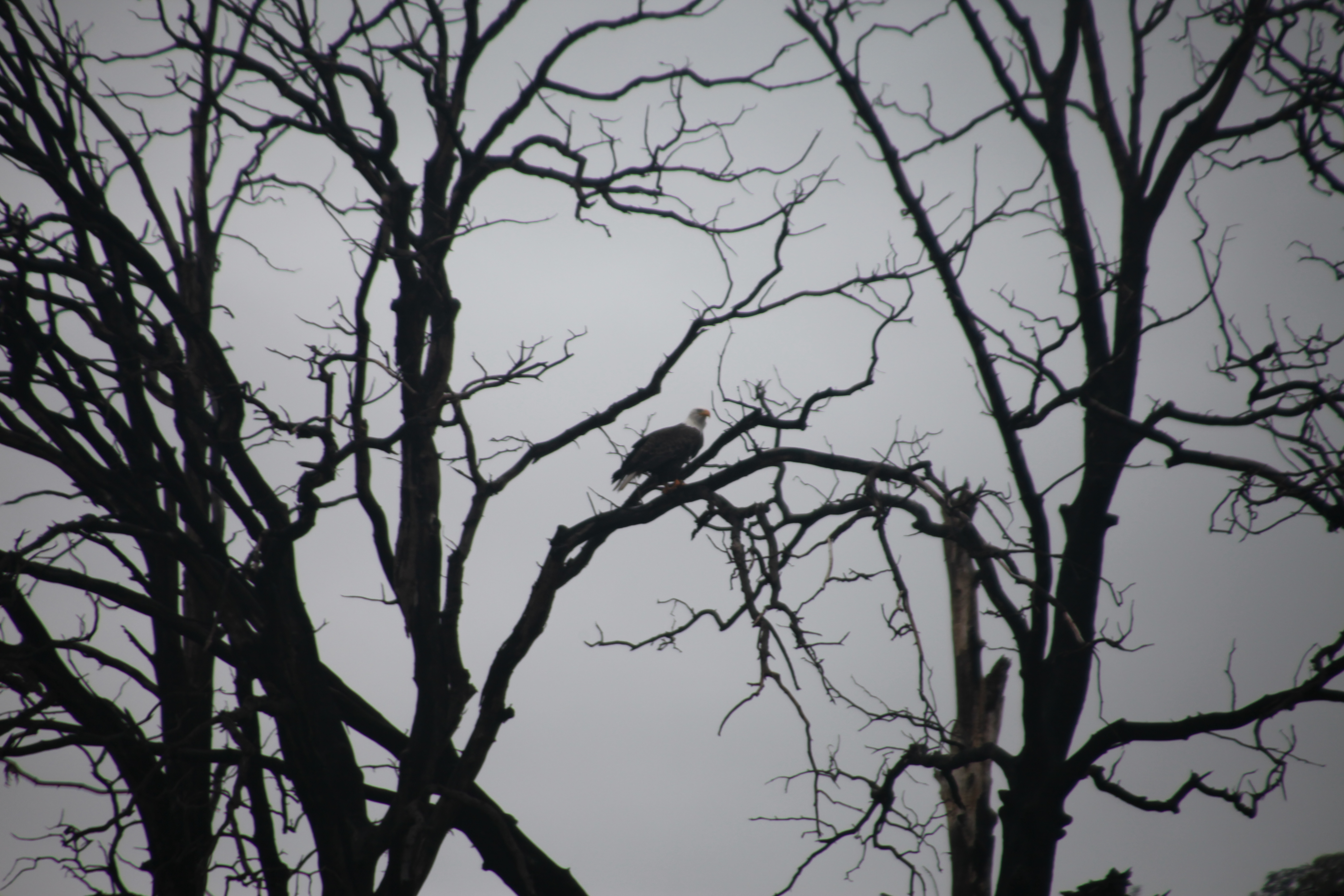
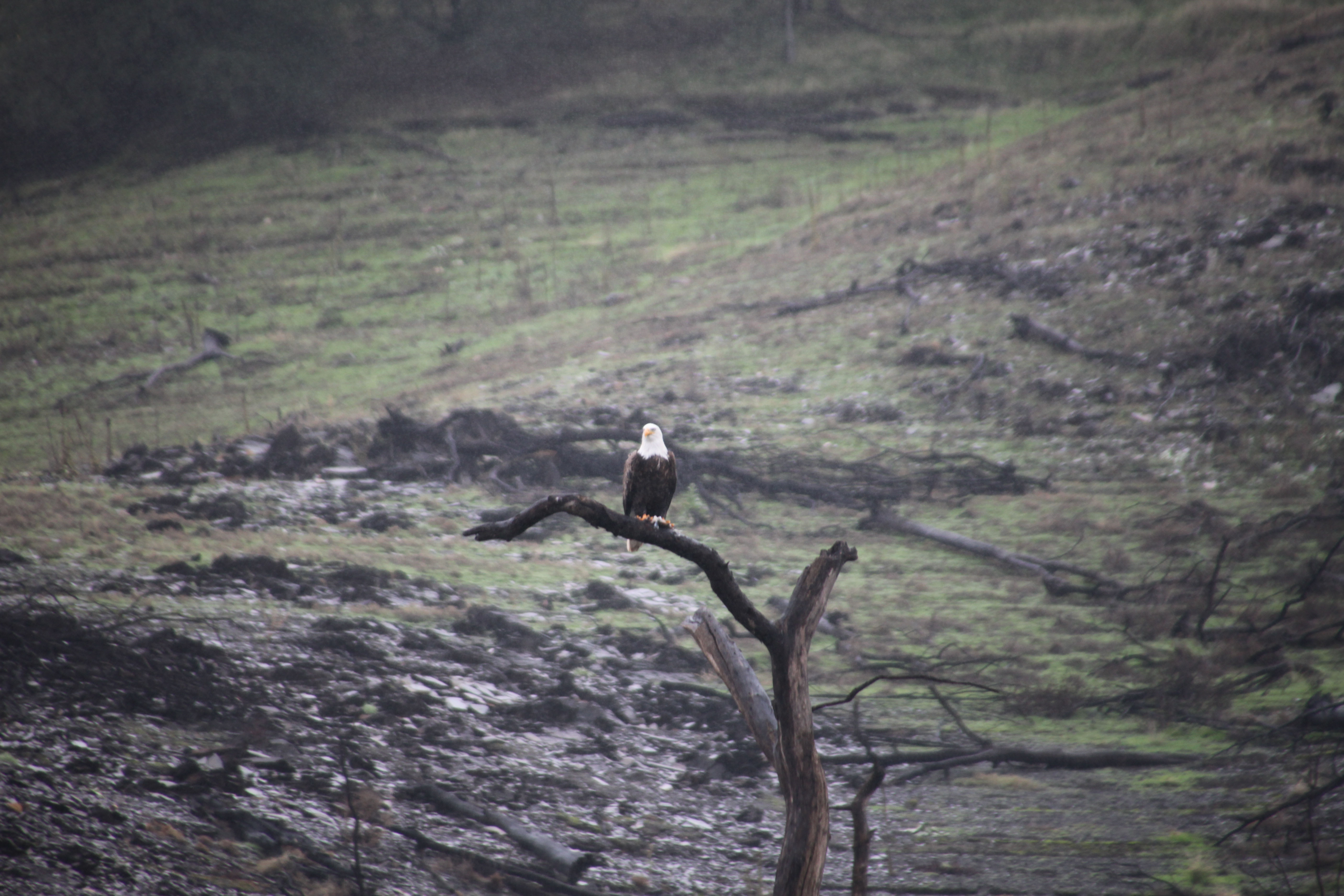 It was grey, wet and windless all day.
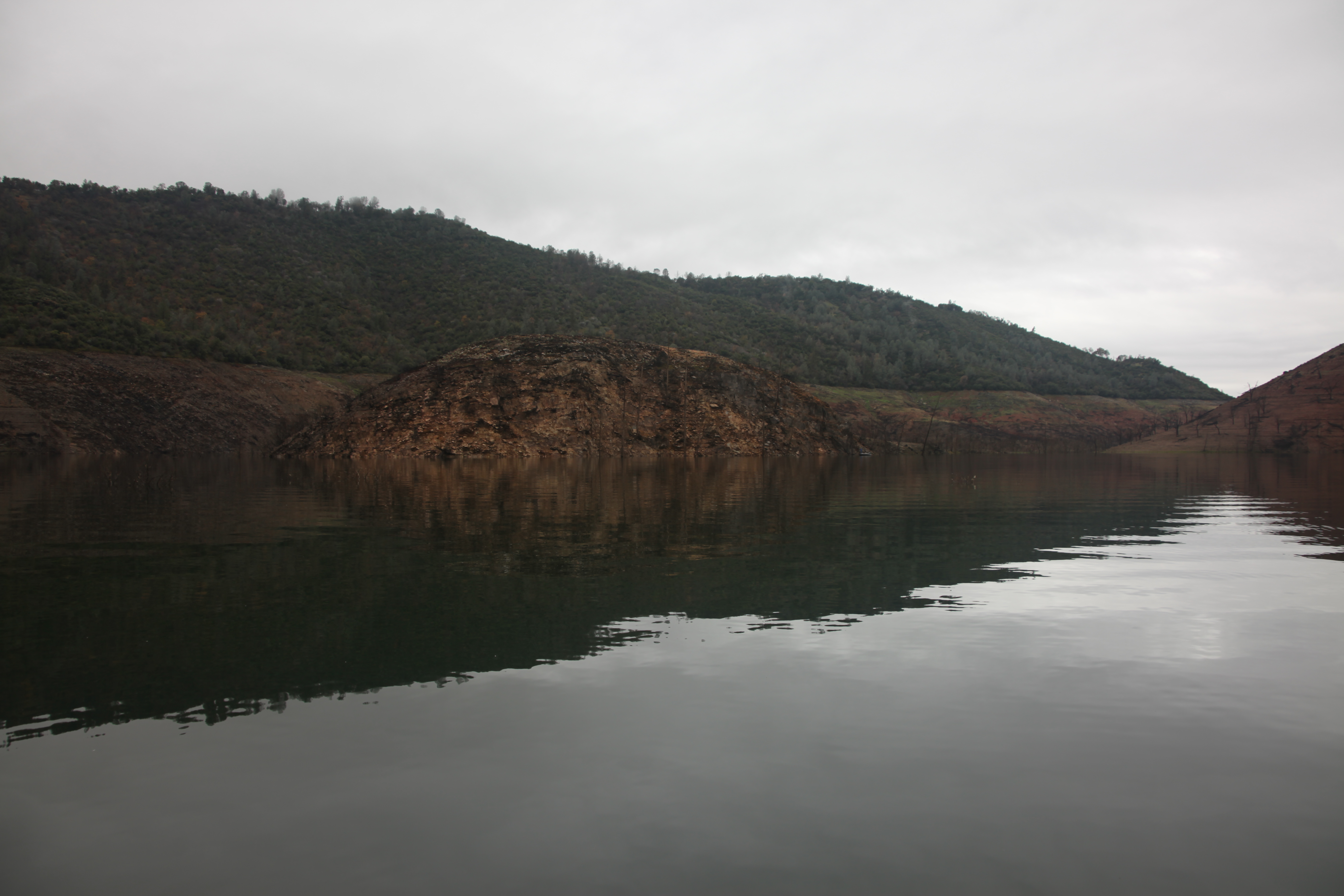 Mid afternoon I moved back to the mouth of the Coyote arm and it just went stupid for a couple of hrs. Risers every where. Fish hitting Kastmasters, Cleos, sticks.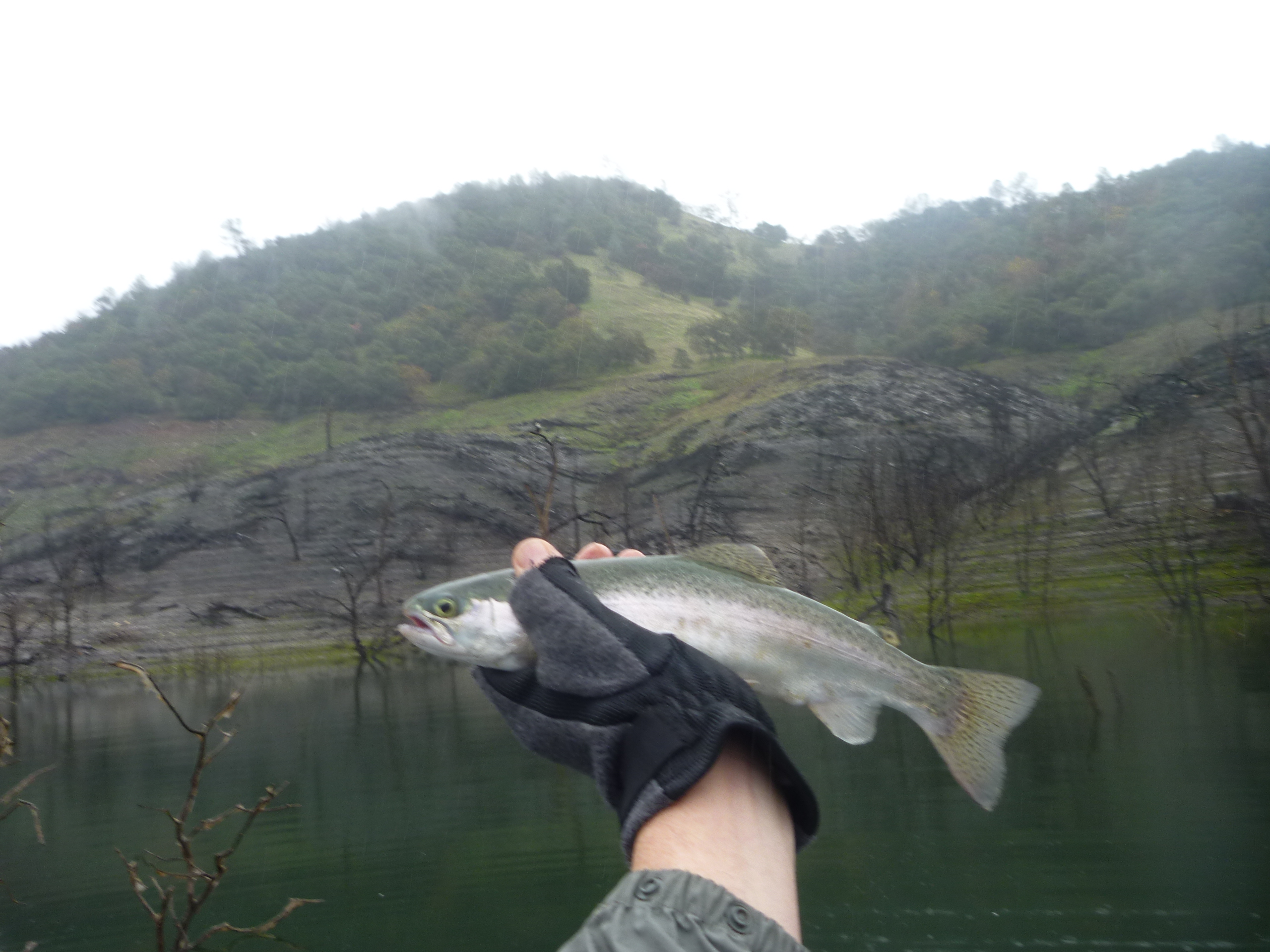
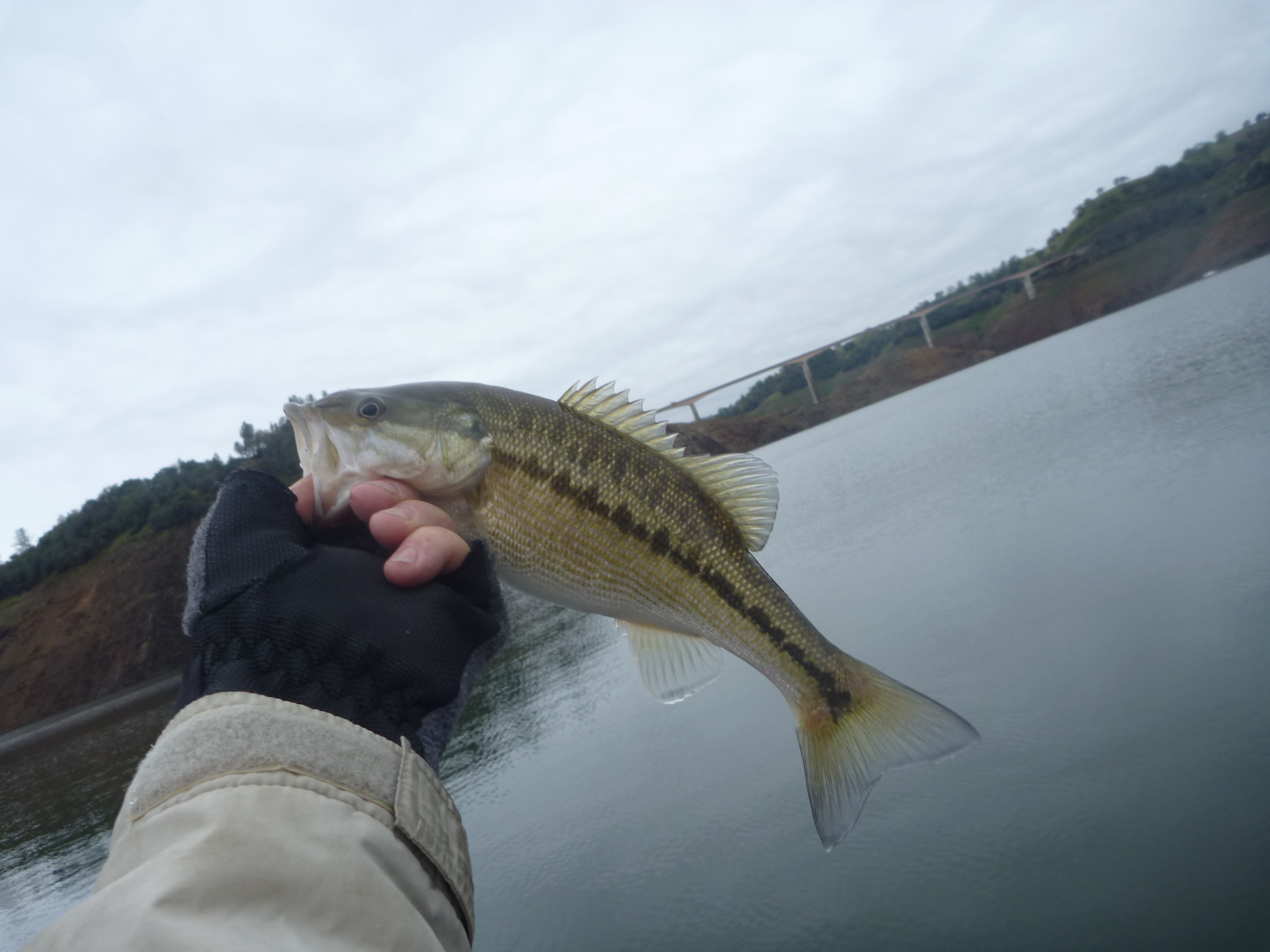
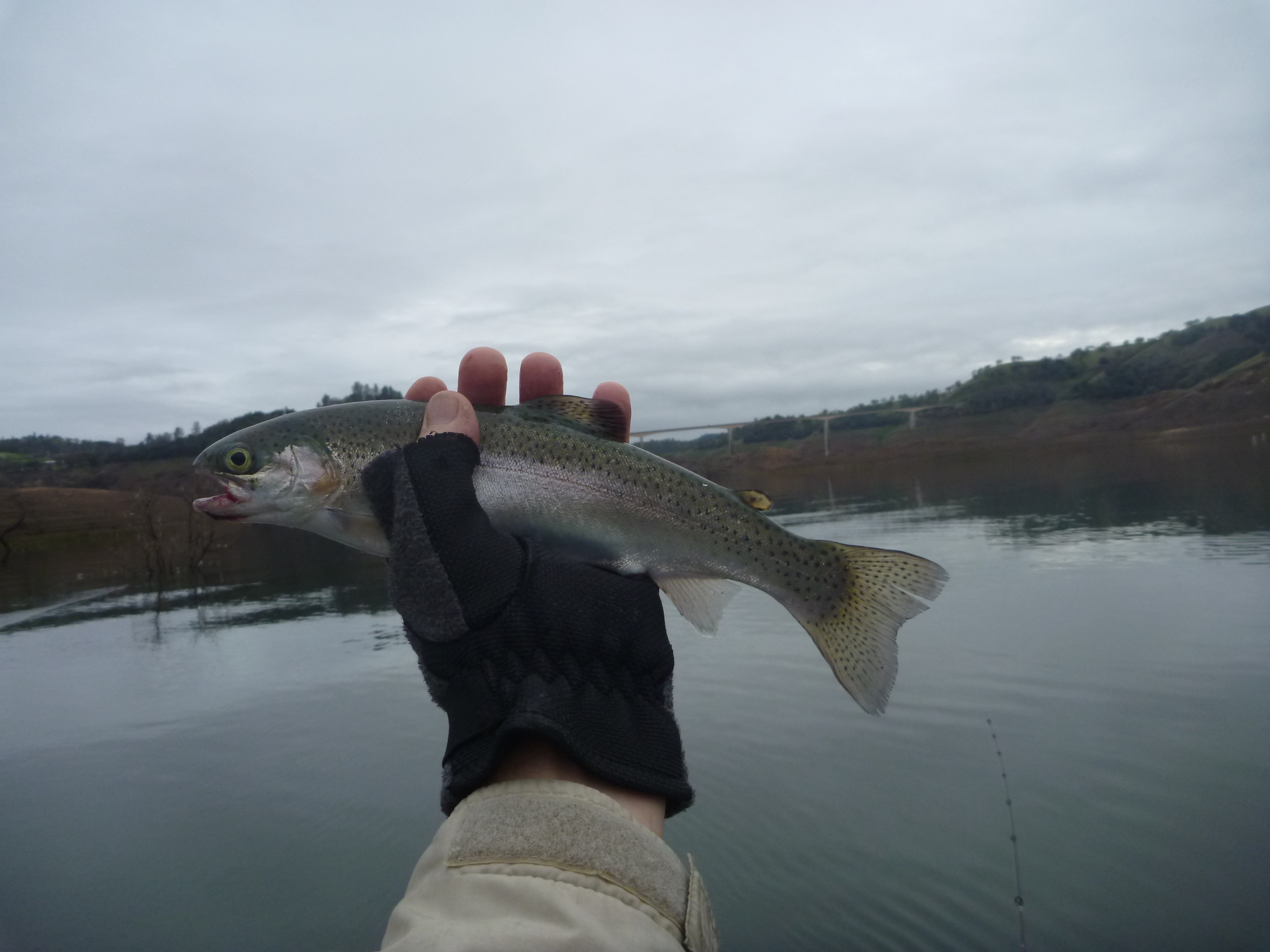
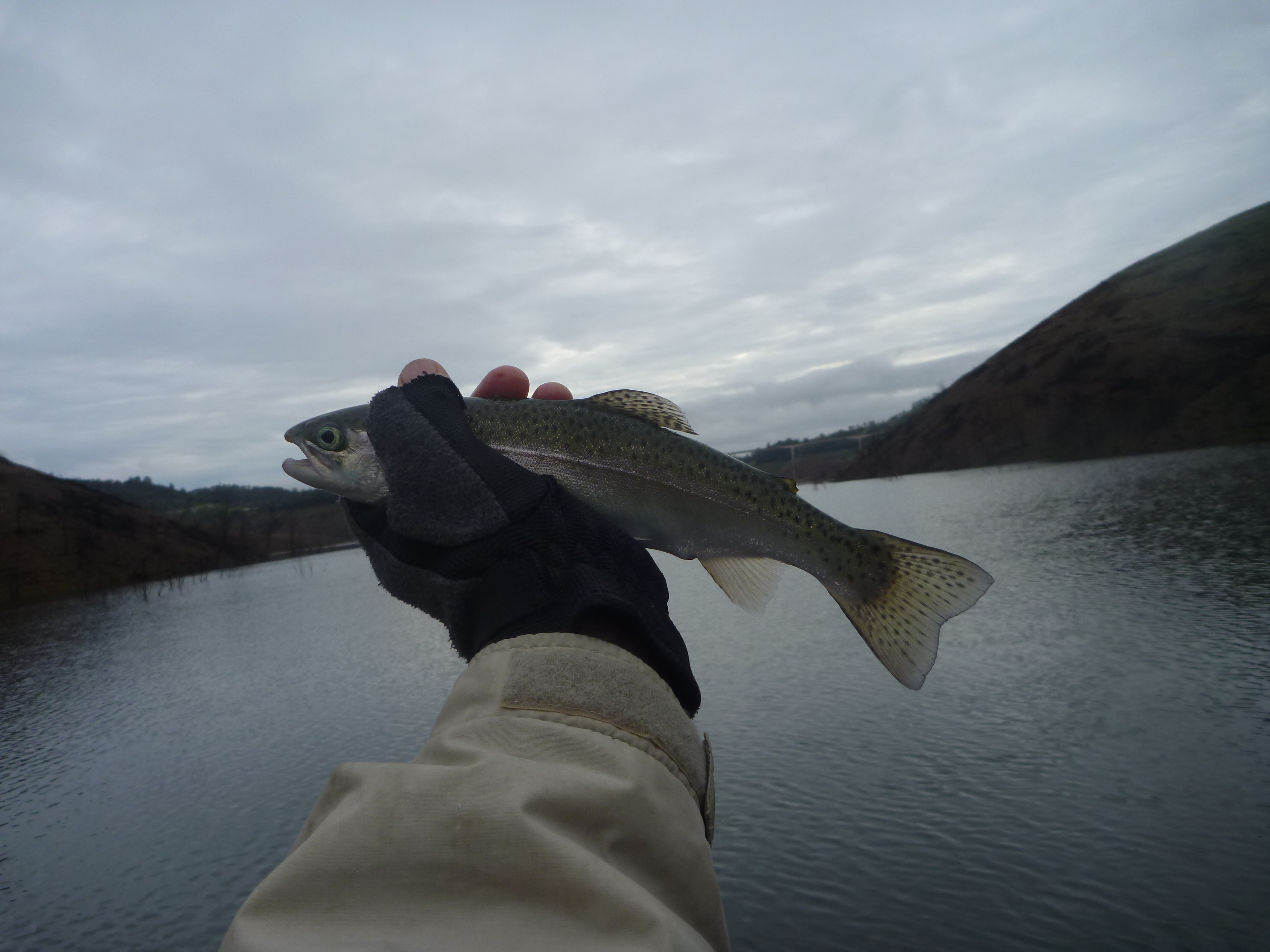 I caught an easy 20 bass and 30 trout. All released except for a trout fed to the Baldys. Can’t wait to go back!
Some history:
Town History
Known by a variety of spellings, including Malones, Malon, Meloneys, Melone, and a number of similar variations, the camp was a wild one during its brief existence. A large number of rough and tumble miners were scattered about the slope of Carson Hill in the early days, busily engaged in mining activities. A diary kept by Captain Leonard Noyes relates what the town was like: “This place called Melones was built of Brush streets, say 10 feet wide, lined on each side with these Brush houses where Gambling was carried on at an enormous extent….I don’t think there was ever in the Mines so wicked a crowd. Some are killed every night, shooting and cutting all the time. I have always felt when in those narrow streets that I was liable to have a knife shoved into me at any moment….”
The camp survived for a few years, but by 1853 the rich placers were fairly well depleted, so the miners left to search elsewhere for better diggings in the gold fields.
Before crossing the Stevenot bridge over the Stanislaus River on your way north, pull over to the right, get out of the car, and look up the canyon over the sparkling waters of the New Melones Lake. Just upstream from the point where the grey tailing piles of the Melones Mill and the foundation ruins from the old Hwy 49 bridge are visible, lies the “present” site of Melones. The place was originally known as Robinsons Ferry; however, named after John W. Robinson who, with his partner Stephen Meade, established a ferry here in the autumn of 1848. The operation proved to be quite a gold mine. During 1849, when the rush to the mines was at its peak, the ferry collected $10,000 in a six-week period. A touring circus once found it necessary to cross here in order to perform at nearby Columbia. The owners of the ferry refused to carry old Lucy, the show’s one elephant, who was forced to swim across the swift current. Sadly, Lucy was carried away and drowned, whereupon the circus disbanded and commenced to mining.
Speaking of elephants, a popular phrase during the Gold Rush was the term, “Seeing the Elephant,” which conveyed the excitement of the lure of California gold. It supposedly originated in a story about a farmer who had never seen an elephant. So when a circus came to town, he loaded up his wagon with eggs and vegetables and started for the market, determined to see the circus elephant. On the way in, he met the circus parade, led by the elephant itself. The farmer was entranced by the sight, but his horses were terrified. Whinnying wildly, bucking and pitching, they made a break for freedom, overturning the wagon in the process and scattering eggs and produce all over the countryside. “I don’t give a hang,” said the farmer, “I have seen the elephant.”
Robinsons Ferry was renamed “Melones” by the Melones Mining Company, around 1902. The site and its few remaining buildings were later inundated by rising waters when the New Melones Dam was built farther downstream to impound the Stanislaus River.
 joulebox
Well done. Improved over Thur.